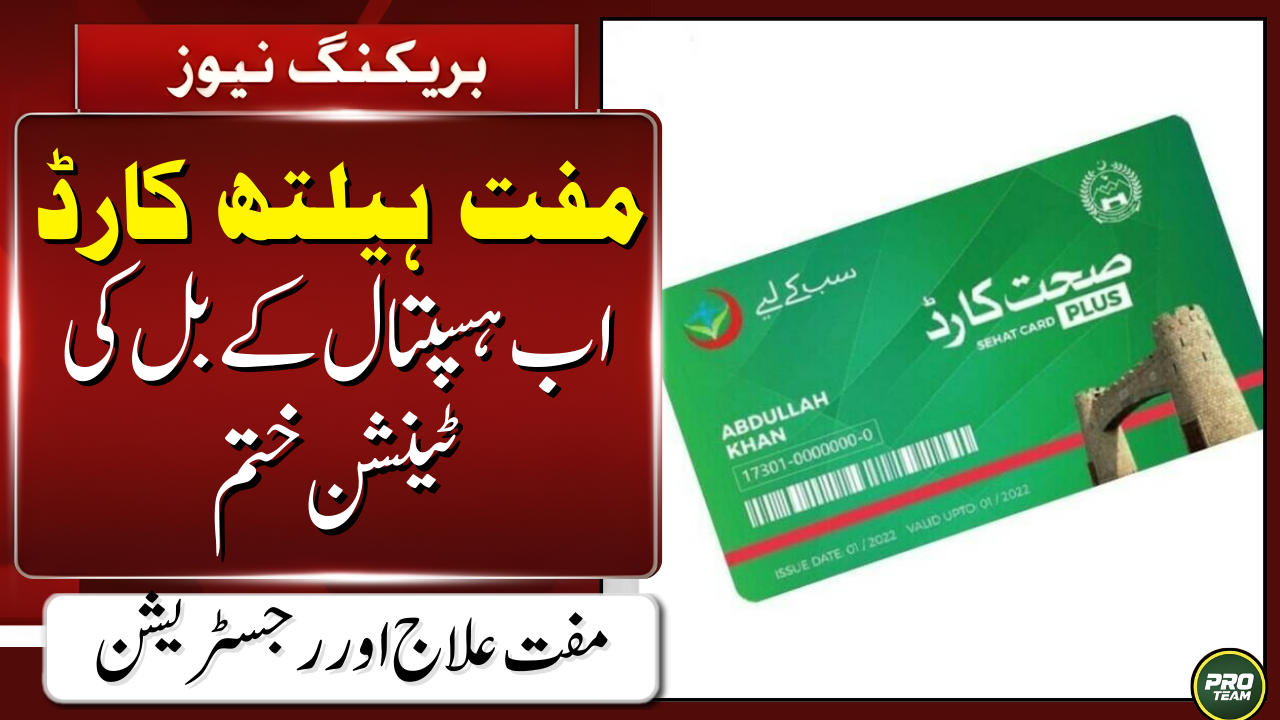
Hold on to your CNIC—it is now your ticket to free healthcare in Punjab! The Punjab Free Health Card scheme for 2026 has been upgraded, and your CNIC alone can grant you and your family access to free surgeries, dialysis, and major treatments at hundreds of hospitals. Forget about physical cards; the new digital system works with a simple SMS check, making life-saving treatment just a text message away.
This government initiative is a financial lifeline for millions, covering high-cost medical procedures that families often cannot afford. If you are a resident of Punjab, you must check your eligibility immediately. A quick verification could unlock free, cashless treatment for your entire family. Here is your complete guide to the new rules, the hospital network, and how to use the scheme.
What is the Punjab Free Health Card 2026?
This is a cashless healthcare program by the Punjab Government. Your CNIC acts as your health card for free treatment at empaneled hospitals.
| Feature | 2026 Update |
|---|---|
| Card Required | No physical card. CNIC is your card. |
| Eligibility Check | SMS your CNIC to 8500 |
| Coverage | Family-wide (Head, spouse, children) |
| Key Treatments | Surgeries, Dialysis, Child Heart Operations |
| Official Authority | Punjab Health Initiative Management Agency (PHIMA) |
How to Check Your Eligibility in 2026?
The process is instant and free. You only need your mobile phone.
- Open Your SMS App: Go to your phone’s messaging app.
- Type Your CNIC: Type your 13-digit CNIC number without dashes (e.g., 4220112345678).
- Send to 8500: Send this message to the shortcode 8500.
- Receive Reply: You will get an instant SMS reply confirming if you and your family are eligible.
What are the New Eligibility Criteria?
While the government uses a poverty score, the 2026 focus is broader. You likely qualify if:
- You are a permanent resident of Punjab with a valid CNIC.
- Your family is registered with NADRA with updated member details.
- Your household falls within the low to middle-income bracket.
- You do not hold a government job that provides medical coverage.
- You have not availed this card’s benefits in the last calendar year.
Which Hospitals are Included in the 2026 Network?
The scheme covers a vast network of public and private hospitals. Major categories include:
- All Public Sector Teaching Hospitals (e.g., Mayo Hospital, Services Hospital).
- District Headquarters (DHQ) Hospitals across all districts.
- Partnered Private Tertiary Care Hospitals in major cities.
Always confirm with the hospital’s health card desk before a visit.
How to Use the Punjab Free Health Card at a Hospital?
Once eligible, availing treatment is straightforward.
- Step 1: Visit any empaneled hospital from the official network.
- Step 2: Go to the “Health Card/Sehat Card” help desk.
- Step 3: Show your original CNIC for instant digital verification.
- Step 4: Receive pre-approved, cashless treatment. You pay nothing for covered services.
What Medical Treatments are Covered?
The card covers expensive, essential treatments, including:
- Cardiac Surgeries & Angioplasties
- Cancer Treatments (Chemotherapy, Radiotherapy)
- Chronic Kidney Disease & Free Dialysis
- Neurosurgeries
- Accident & Emergency Care
- Maternal & Child Healthcare
In summary, your health security in 2026 starts with one SMS. Send your CNIC to 8500 right now to check your eligibility. If confirmed, your CNIC is your powerful tool for accessing free, quality healthcare across Punjab for you and your loved ones. Don’t let medical bills become a burden—use this government benefit today.
Latest Updates
 How to Use the Kafalat Portal to Track Your Child’s BISP Payments 2026 – Complete Step-by-Step Guide
 Free Solar Scheme 2026 Phase 2 Announced – Big Relief for Electricity Consumers Across Pakistan
 Punjab Gas Supply Timings Announced for Ramadan 2026 – Complete Sehri & Iftar Schedule for All Cities
 State Bank of Pakistan Ramadan Timing 2026 – Official Banking Hours Today Update
 PSER Punjab Gov PK Registration 2026 – How to Apply Online or Offline (Complete Step-by-Step Guide)
 Why Nigehban Card Status Is Not Showing Online: Reasons and Solutions